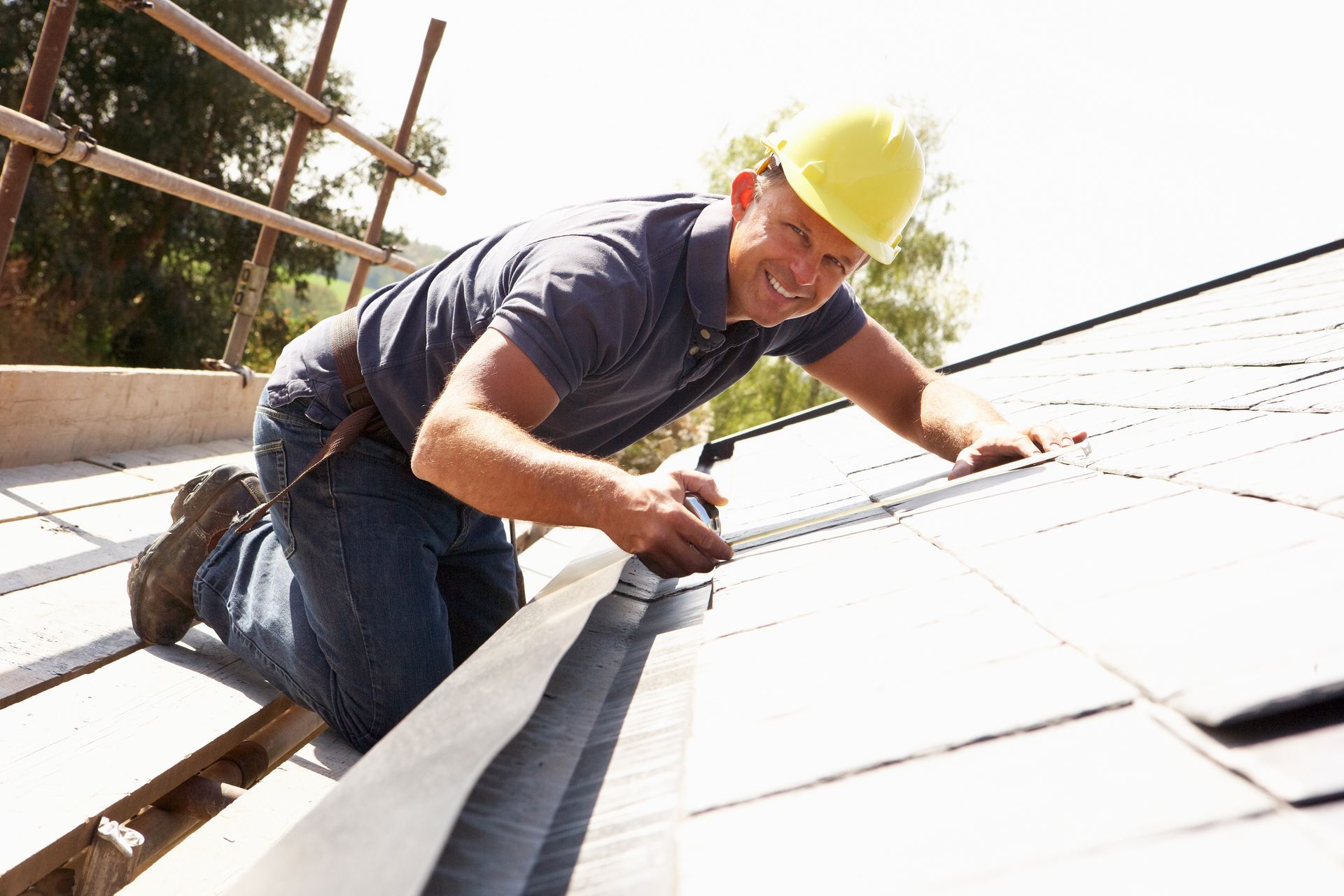
Best Roofing Materials for Red Bluff's Hot, Dry Climate in 2026
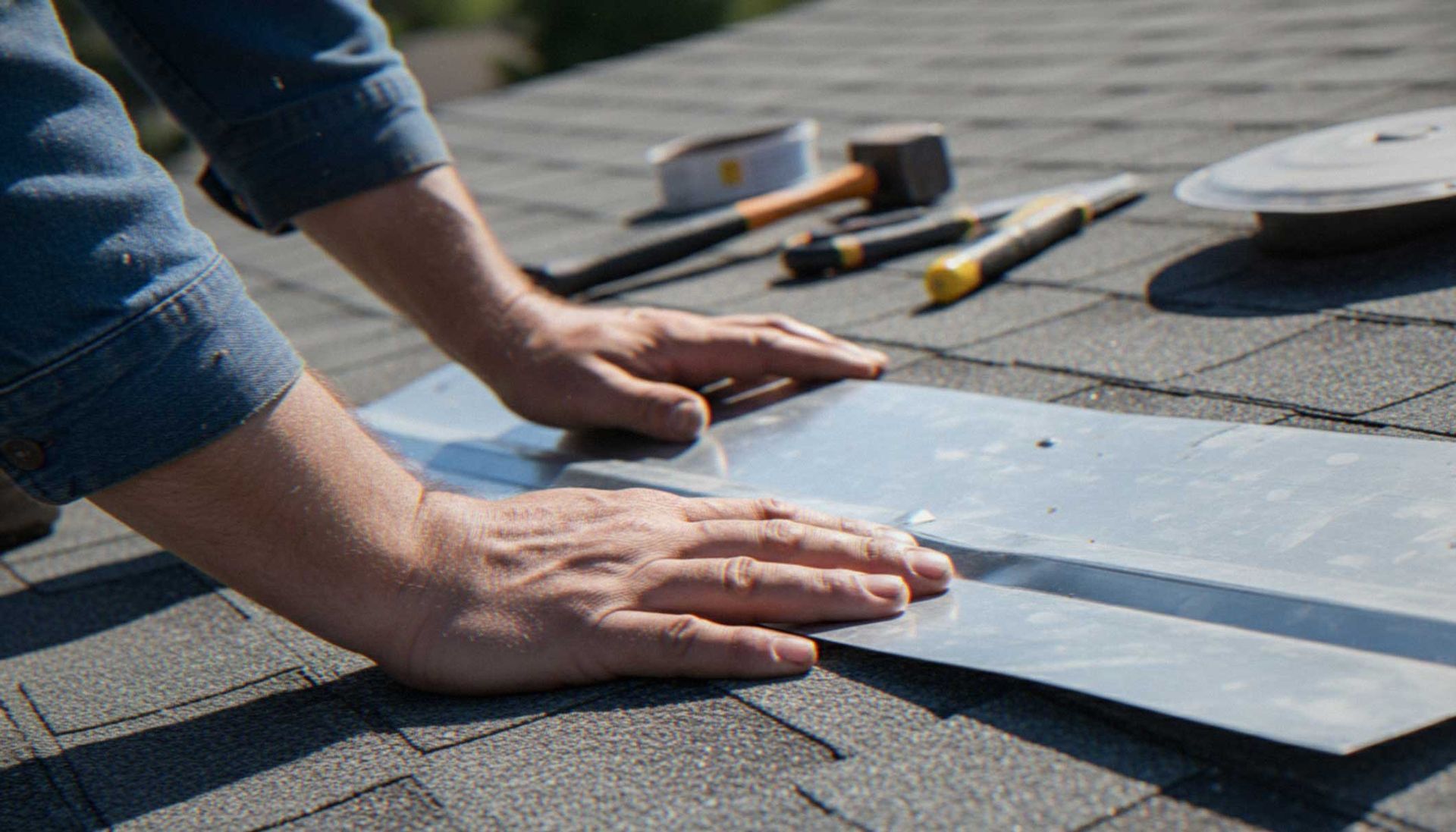
Choosing the right roofing material for Red Bluff's intense summer heat and wildfire risk is one of the most important decisions a Tehama County homeowner can make. Temperatures regularly exceed 100°F, Red Bluff averages 249 sunny days per year, and the dry season from May through October aligns directly with peak wildfire risk. Material selection here is a safety decision, not just a style choice.
How Red Bluff's Climate Affects Roof Performance
Red Bluff's hot Mediterranean climate puts roofs under relentless UV exposure and heat stress. Wildfire pressure adds another layer of urgency. High winds can spread embers rapidly across Tehama County, and Red Bluff is listed among communities at risk. For roof installations in Red Bluff, CA, performance is measured by heat reflection, longevity under UV exposure, and ember resistance.
Which Materials Perform Best in Red Bluff's Hot, Dry Climate?
The three most practical options for Tehama County homes are metal, tile, and asphalt shingles.
Metal Roofing
Metal is one of the strongest performers in hot, dry climates. While standard asphalt absorbs 70 to 90 percent of solar radiation, reflective metal panels reflect 70 to 80 percent and qualify as cool roof materials under California's Title 24 energy standards, reducing cooling costs by up to 20 to 25 percent. Metal carries a Class A fire rating, is non-combustible, and lasts 40 to 70 years.
Tile Roofing (Clay and Concrete)
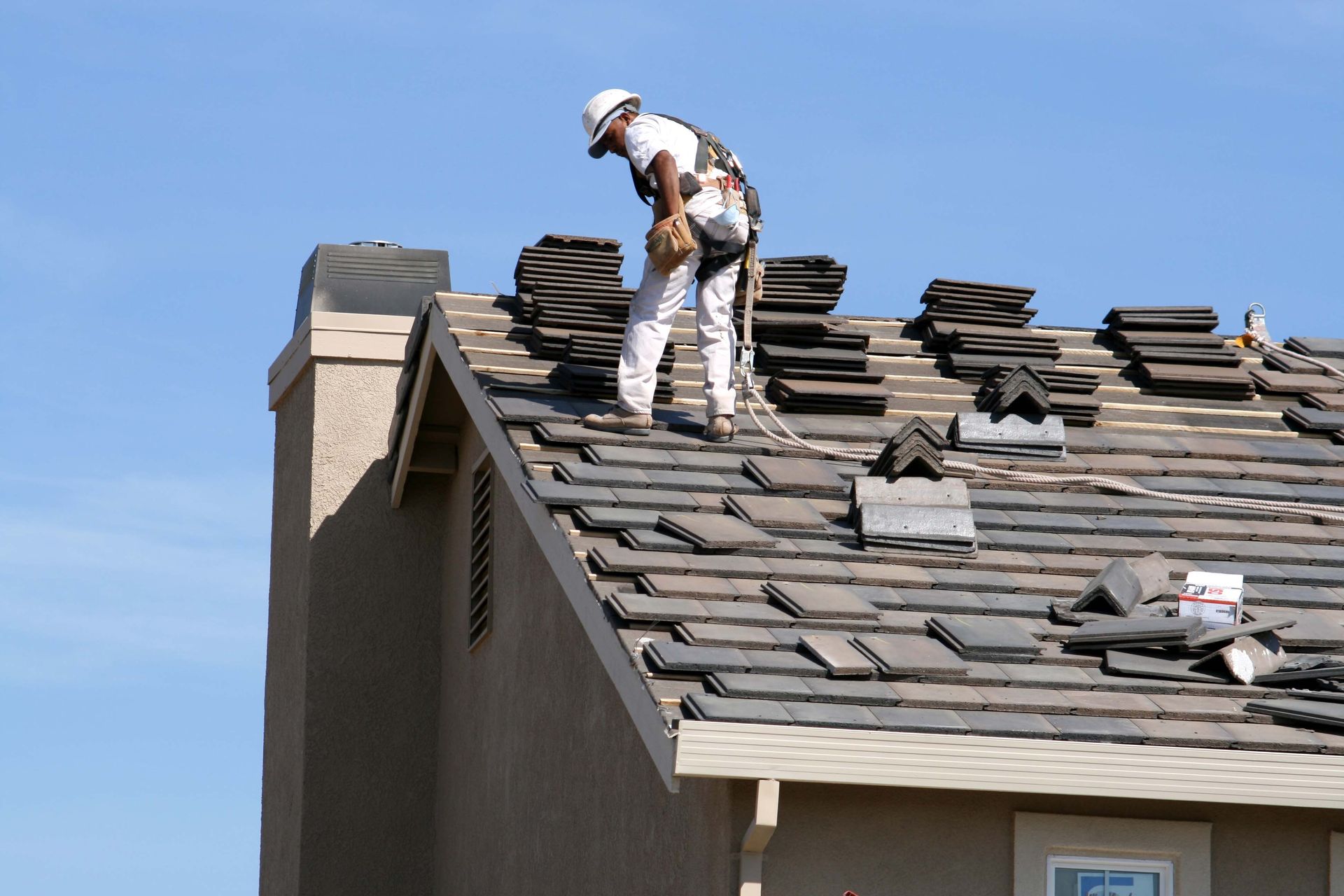
Tile's air-gap installation reduces heat transfer into the home. Tile roofs are naturally fireproof with Class A ratings. Clay tile handles California's heat and UV well and can last 50 to 100 years. The main trade-off is weight: concrete tile runs 900 to 1,200 pounds per square, and older homes may need structural reinforcement, adding $2,000 to $5,000 or more to the project cost.
Asphalt Shingles
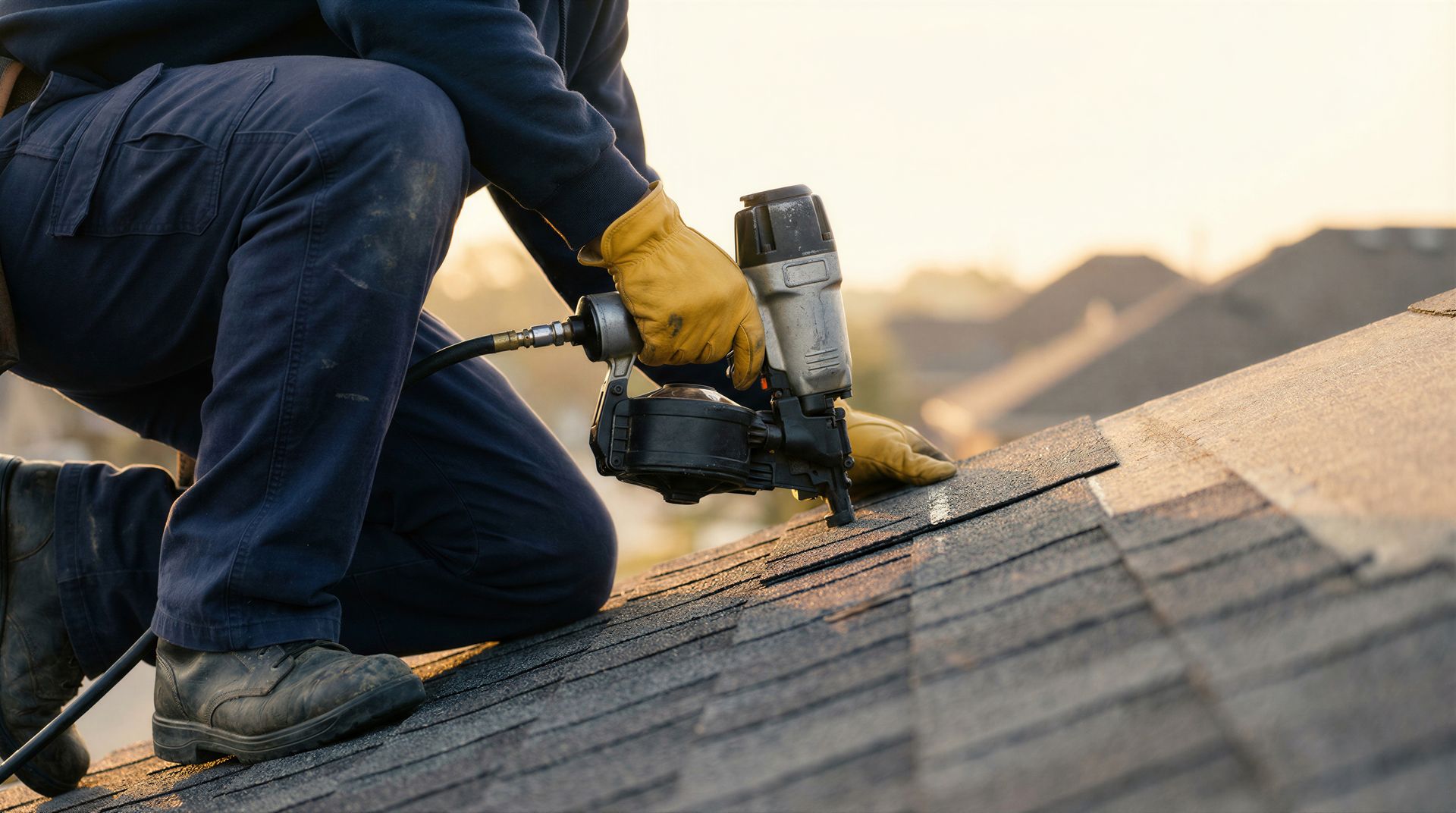
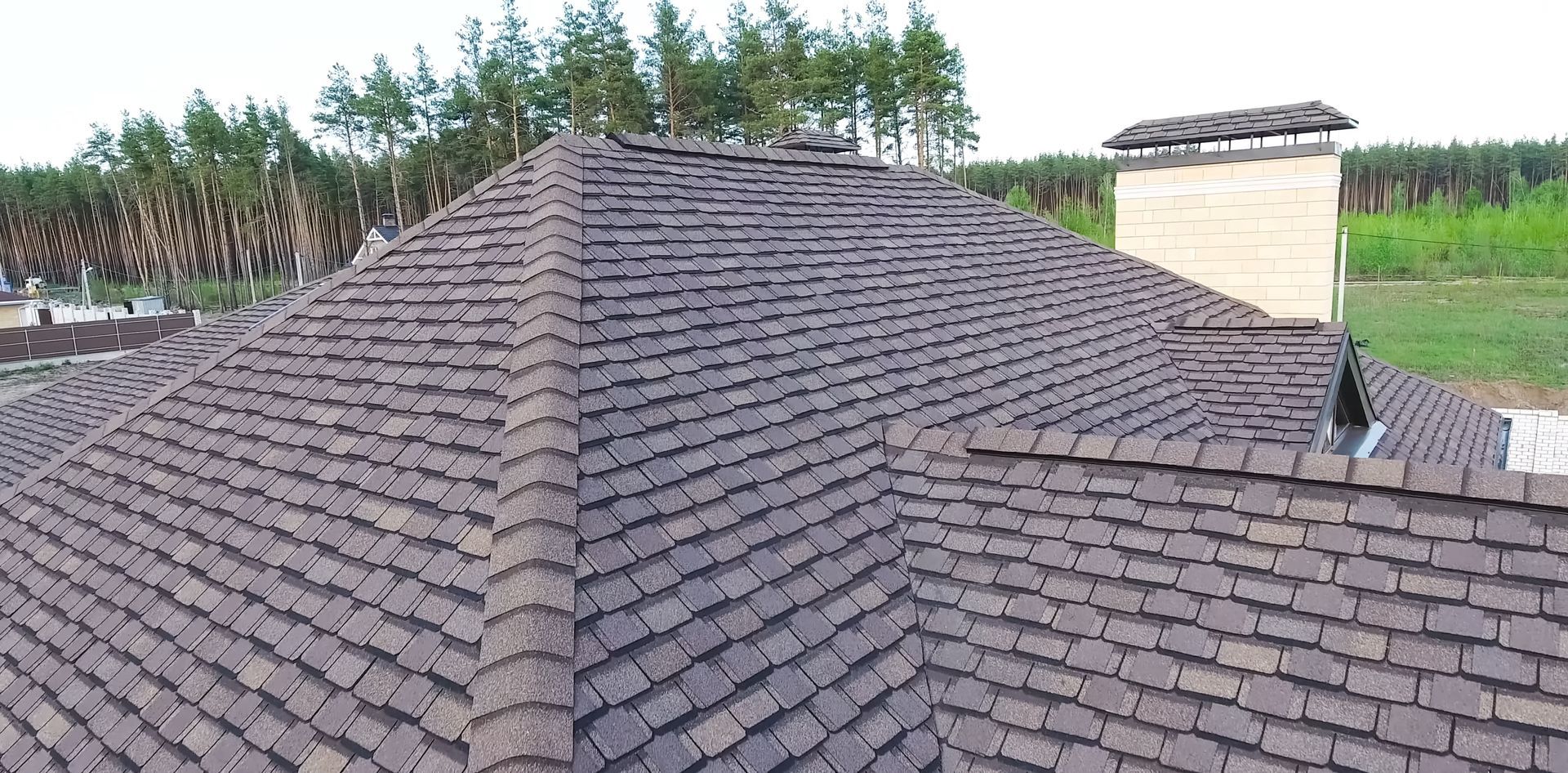
Architectural shingles are the most budget-friendly option with a lifespan of 25 to 30 years. Inland California's solar intensity accelerates UV degradation, so a 20-year-old asphalt roof here is likely nearing the end of its service life. Class A-rated architectural shingles with a WUI-compliant underlayment can meet California fire code in fire hazard zones.
California Wildfire Zone Requirements Homeowners Should Know
The 2026 WUI Code (Title 24, Part 7), mandatory as of January 1, 2026, requires Class A fire-rated assemblies for all new construction and re-roofing in mapped fire hazard zones. The primary wildfire threat to most homes is airborne embers, which can travel more than a mile ahead of a fire front. Wood shingles and shakes are prohibited in any Fire Hazard Severity Zone. Verify your zone status with the Tehama County Building and Safety Department before selecting a material.
A fire-rated roof can reduce homeowners insurance premiums by 5 to 35 percent and may allow homeowners to qualify for voluntary market coverage instead of the California FAIR Plan, which charges two to five times higher premiums.
Ready to Choose the Right Roof for Red Bluff?
Budget, home structure, and fire hazard zone designation all affect the right choice for your property.
Hinkle Roofing & Construction, Inc. has served Red Bluff and Tehama County for over 60 years, specializing in metal, tile, and shingle installations suited to Northern California's climate. Visit the
residential roofing services page or
reach out directly to get a free estimate. Call
(530) 385-1153 today.