Roofing in Red Bluff, CA vs. Redding: Which Materials Handle Northern California Heat Best in 2026?
Red Bluff and Redding sit at the heart of one of the hottest regions in the United States, and choosing the right material can make a real difference in comfort, energy costs, and long-term durability. This article compares three popular materials for homeowners considering roofing in Red Bluff, CA, and the Redding area.
How Hot Does It Actually Get in Tehama and Shasta Counties?
Red Bluff sits in Tehama County along the Sacramento Valley floor, where triple-digit temperatures are common from June through September. Historical records show temperatures in Red Bluff climbing as high as 121 degrees Fahrenheit, while Redding in neighboring Shasta County has recorded above 117 degrees. These two cities are consistently among the hottest spots in the nation.
That level of heat puts every roof covering under serious stress. Roofs in this region absorb solar radiation for months at a stretch, accelerating wear, warping underlayments, and driving up cooling costs. Homeowners in Red Bluff, CA, need to factor in this extreme thermal environment from the start.
What Roofing Materials Hold Up Best in Northern California Heat?
The three materials most commonly installed across Red Bluff and Redding are asphalt shingles, metal panels, and clay or concrete tile. Each behaves differently in prolonged heat, and understanding those differences helps homeowners plan for longevity.
Asphalt Shingles: Affordable but Heat-Sensitive
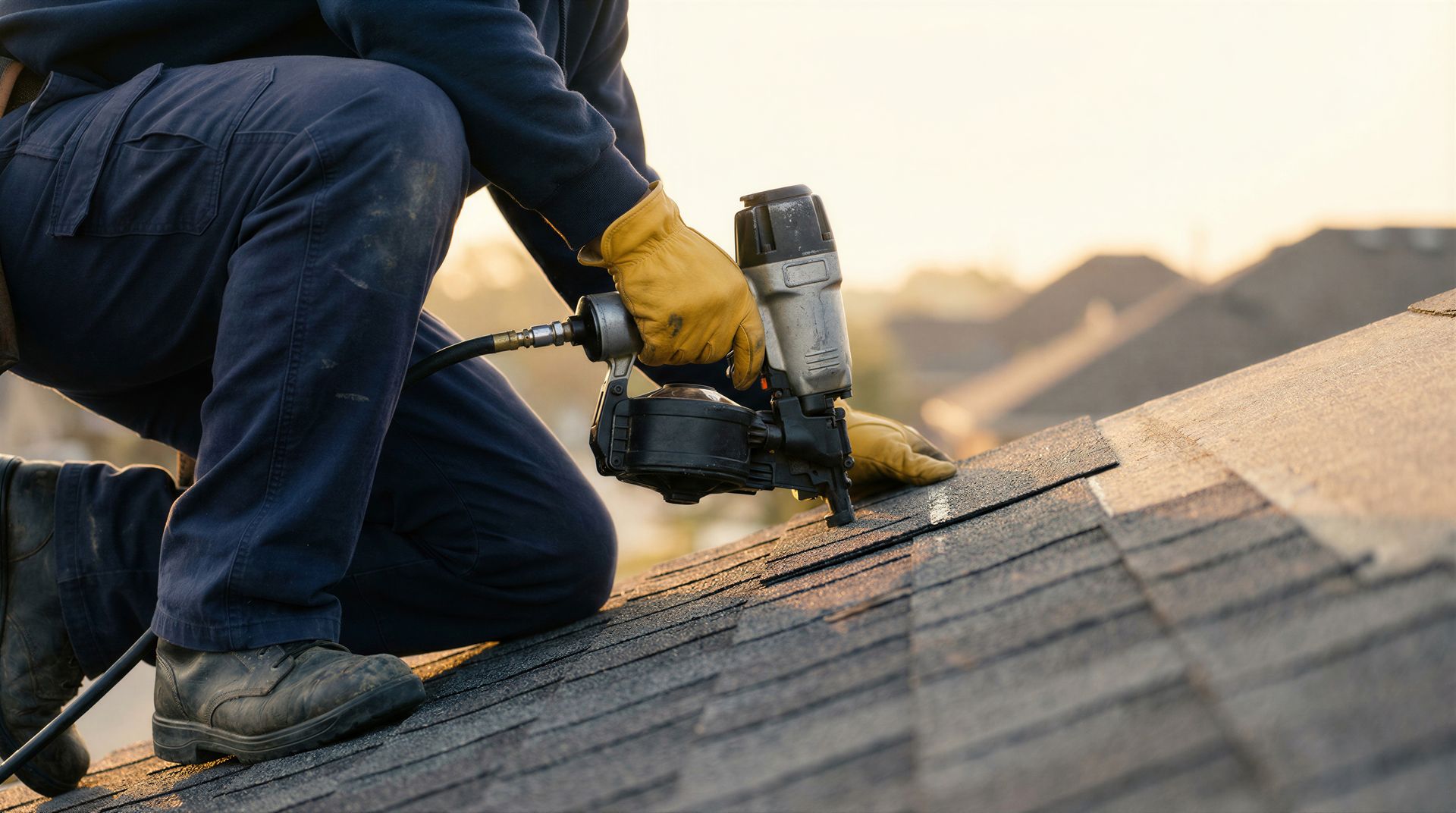
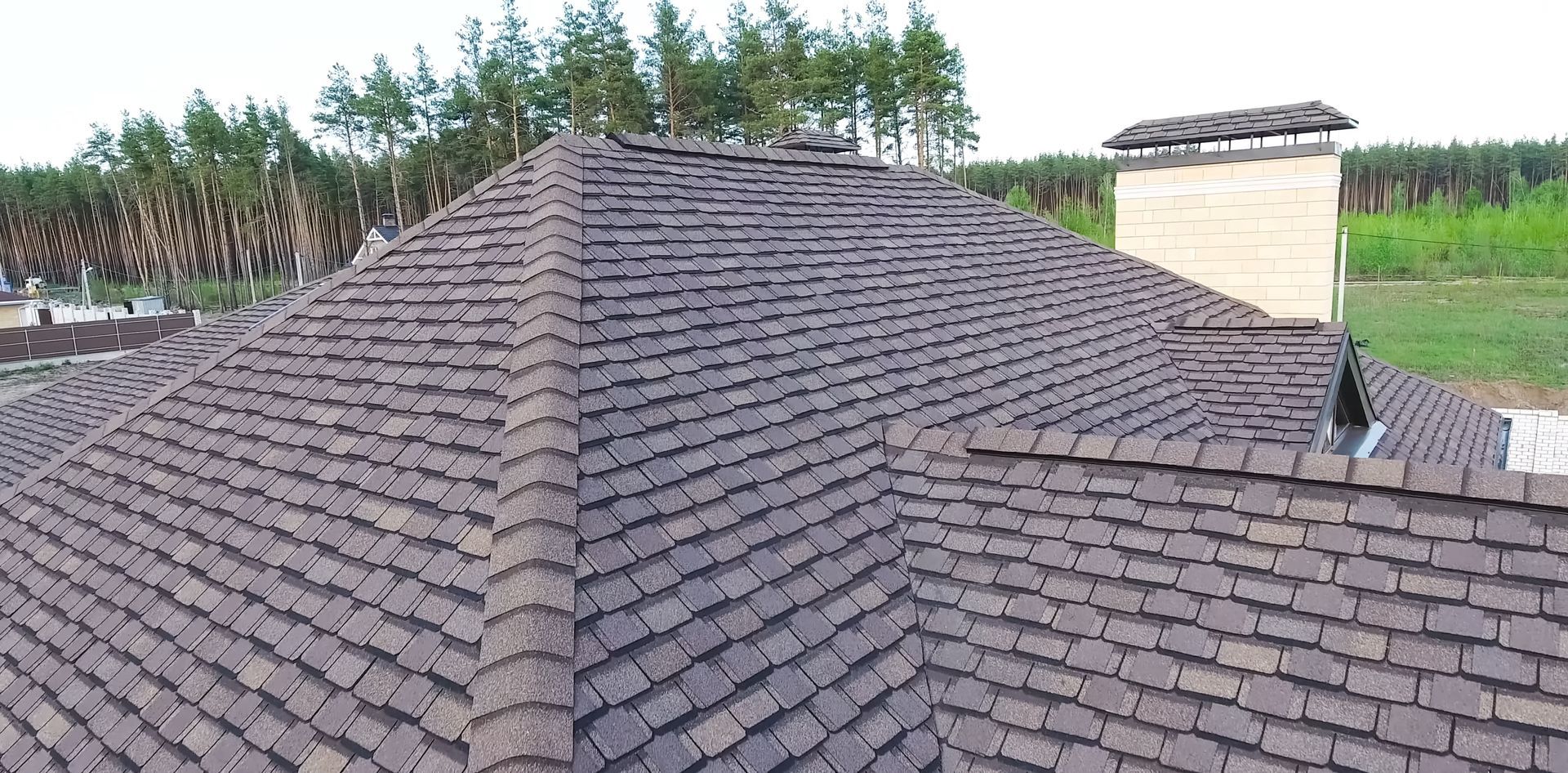
Asphalt shingles remain the most widely used residential roof covering in the country. Modern architectural-grade shingles often carry Class A fire ratings, which matter throughout Tehama and Shasta Counties given local wildfire risk. However, asphalt does not handle extreme heat well. UV exposure in inland Northern California can shorten a standard 30-year shingle's life considerably, with real-world lifespans closer to 20 to 25 years in this climate. Proper attic ventilation is especially important here because trapped heat accelerates degradation from two directions at once.
For budget-conscious homeowners who need a replacement now and plan to revisit in two decades, quality architectural shingles remain a reasonable option when paired with good ventilation and a quality underlayment.
Metal Roofs: The Long-Term Heat Fighter
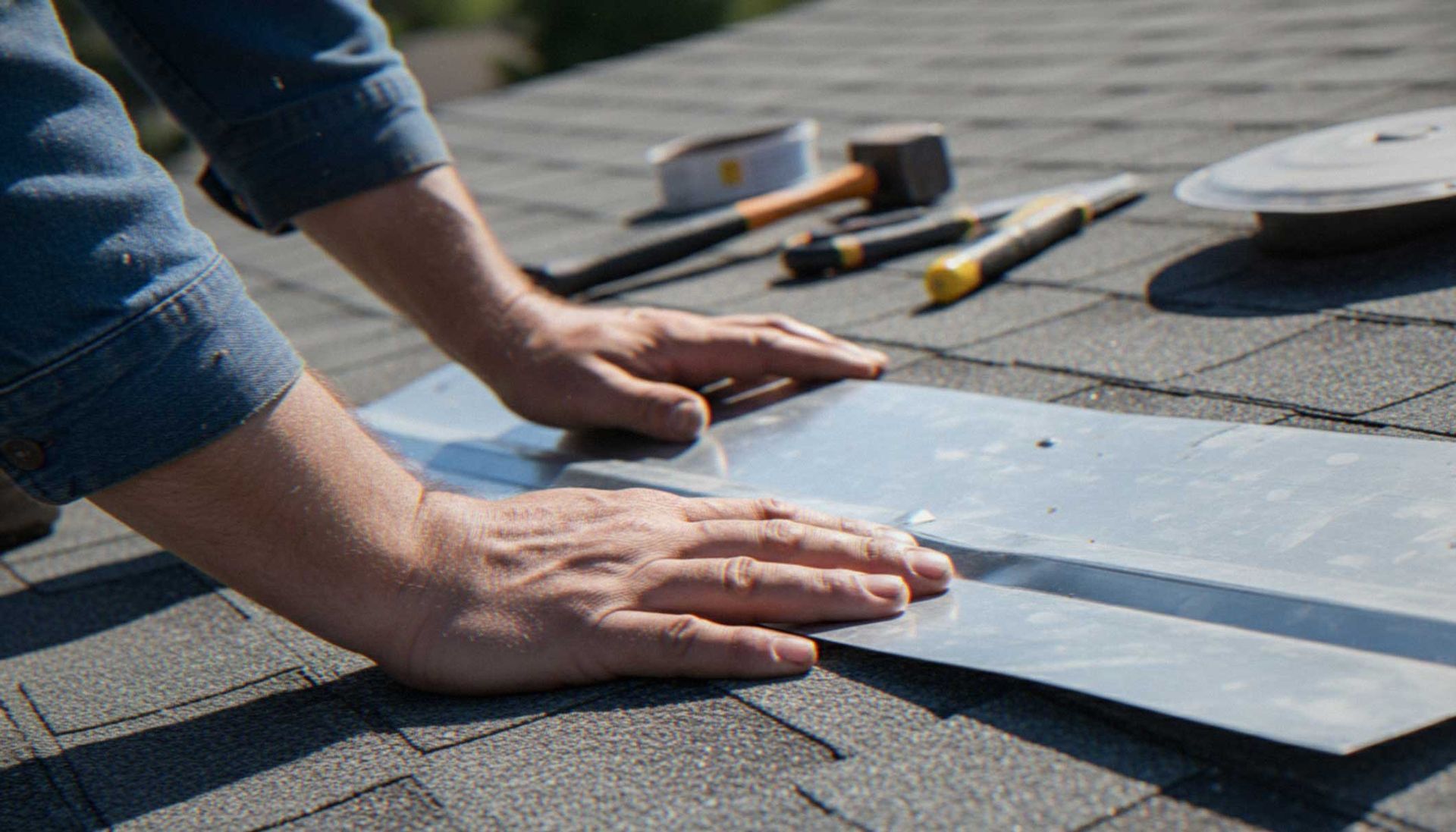
Metal is widely regarded as one of the strongest performers in hot, dry climates. Standing seam metal panels reflect solar radiation rather than absorbing it, reducing cooling loads during long valley summers. Metal roofs also carry Class A fire ratings and withstand high winds, a consideration during the dry, windy fall season that elevates wildfire risk across Northern California.
A properly installed metal roof can last 40 to 70 years, depending on metal type and coating. The upfront investment runs higher than shingles, but the combination of energy savings, reduced maintenance, and extended lifespan makes metal a strong long-term value for properties seeking roofing in Red Bluff, CA.
Tile Roofs: Classic Performance in a Hot Climate
Clay and concrete tile has been a staple of California architecture for generations, partly because it handles heat so well. Tile naturally allows air to circulate beneath each piece, creating a thermal buffer that slows heat transfer into the home. Both concrete and clay carry Class A fire ratings, and tile roofs can last 50 years or more with proper maintenance.
The main practical consideration is weight. Tile is heavier than metal or asphalt, so older homes may require a structural assessment before installation. The style also fits certain architectures more naturally, from Spanish and Mediterranean designs common in established Redding neighborhoods to ranch-style homes throughout Tehama County.
Red Bluff vs. Redding: Does Location Within the Region Change the Answer?
Both cities are valley-floor communities that see extreme summer heat and mild, wetter winters. Red Bluff tends to see slightly higher peak temperatures and sits farther from the cooling influence of higher terrain. Redding faces significant wildfire exposure given its proximity to forested areas in Shasta County.
For both communities, tile and metal tend to outperform asphalt in longevity and thermal management. However, the right choice depends on roof pitch, home architecture, structural capacity, budget, and whether your neighborhood falls within a designated High Fire Hazard Severity Zone. A qualified local roofer familiar with both counties can help sort through those variables.
What Roof Material Lasts Longest in Red Bluff's Climate?
Clay tile and metal offer the longest potential lifespans, with tile capable of lasting 50 to over 100 years and metal typically lasting 40 to 70 years. Asphalt shingles in this region may last 20 to 25 years when properly ventilated and maintained. Regular inspections and attic ventilation improvements help any material perform closer to its maximum rated lifespan.
Is Metal or Tile Better for Fire-Prone Areas Near Red Bluff?
Both metal and tile carry Class A fire ratings, offering the highest available level of fire resistance. In areas of Tehama County within or adjacent to High Fire Hazard Severity Zones, a Class A-rated material is strongly recommended and may be required by local building codes or insurance carriers. Asphalt shingles can also carry a Class A rating in architectural-grade form, but metal and tile are non-combustible and offer an additional layer of protection. Discussing fire rating requirements with a contractor experienced in roofing in Red Bluff, CA, ensures your material choice meets local code and insurer expectations.
Ready to Choose the Right Roof for Your Northern California Home?
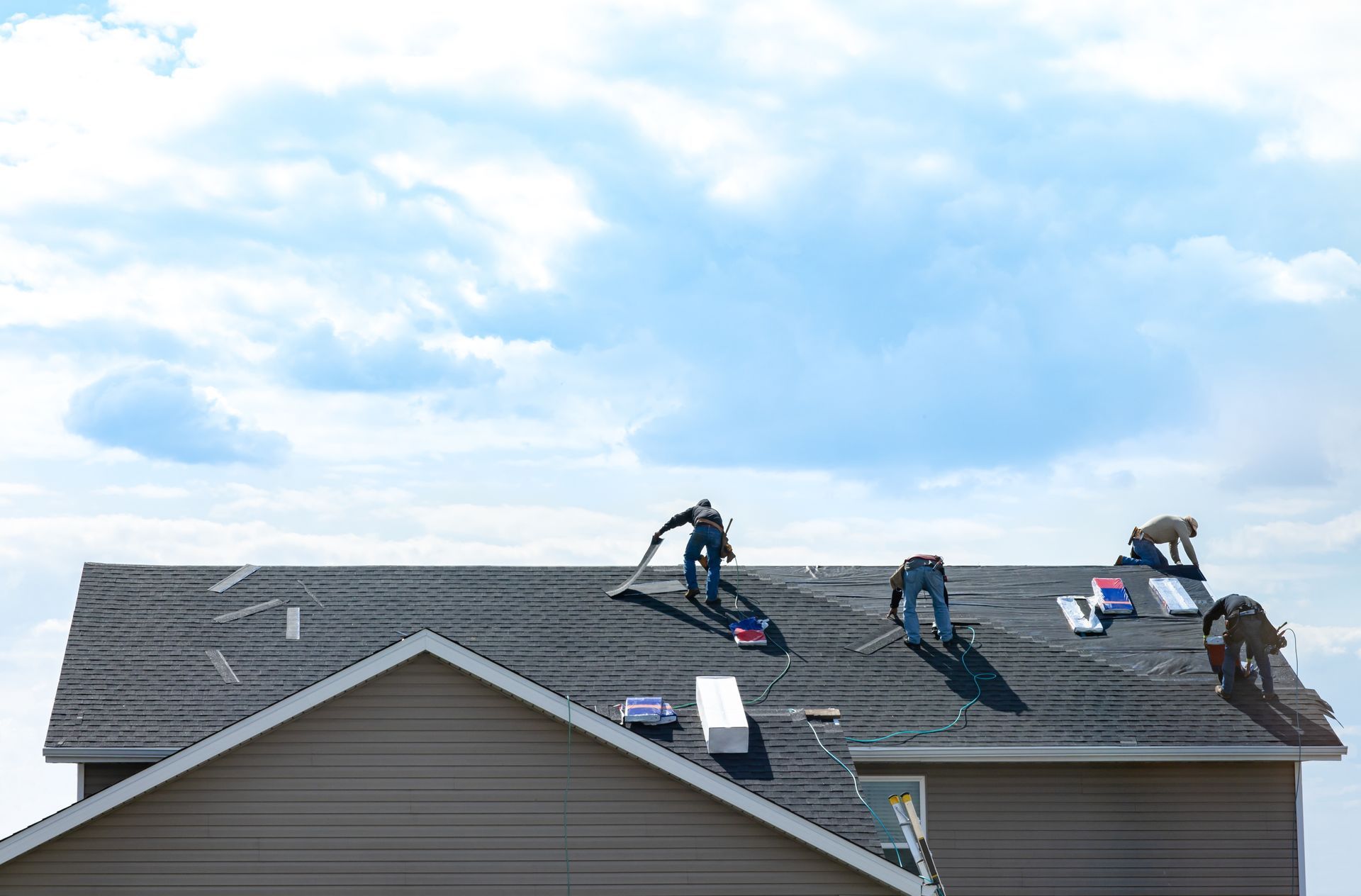
The team at Hinkle Roofing & Construction Inc. serves Red Bluff, CA, and surrounding communities with metal, tile, and shingle roofs, backed by a seven-year labor warranty. Explore the residential roofing services page, request a free estimate through the contact form, or call (530) 385-1153 to speak directly with the team today.